Conveyor Belts

PTFE Solid Conveyor Belts

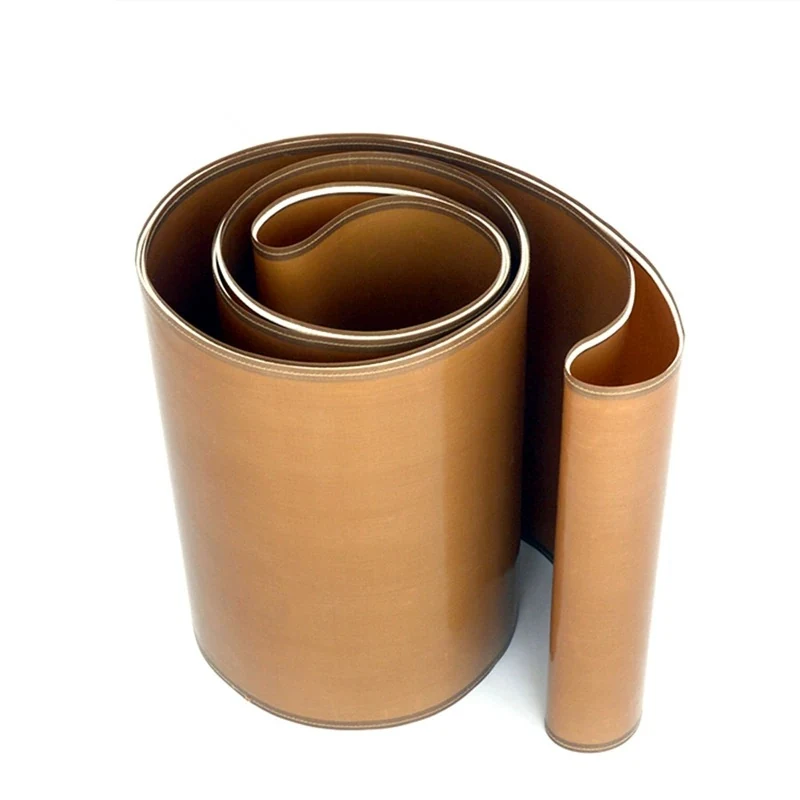
Dense PTFE coated fabric belts with a continuous carrying surface. Choose solid belting when the product needs full support or the process must keep fine material from passing through a mesh carrier.

  • Continuous carrying face without mesh openings
  • Smooth and textured surface configurations
  • Single fabric and composite belt options
Brown solid-surface PTFE process belt curled on a white background
Continuous carrying surface

Material & configuration

Product Specifications

Choose the construction and dimensions for the equipment and the material it handles.

PTFE Solid Conveyor Belts specifications
StructurePTFE coated dense fabric; composite constructions for selected duties
Listed thickness options0.30, 0.35, 0.40, 0.55, 0.65, 0.75, 0.80, 1.00 and 1.50 mm
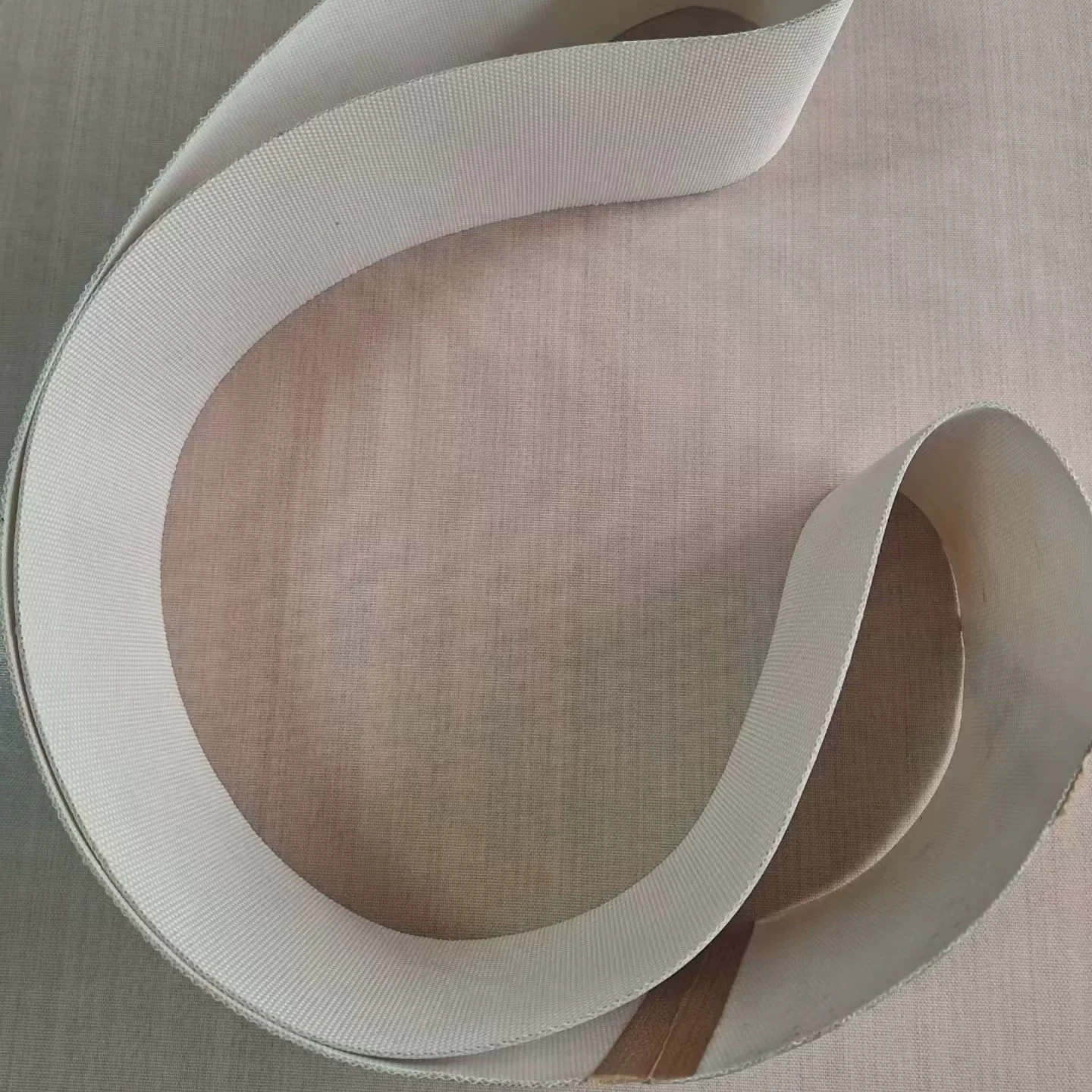
Color optionsBrown, white, off-white and black
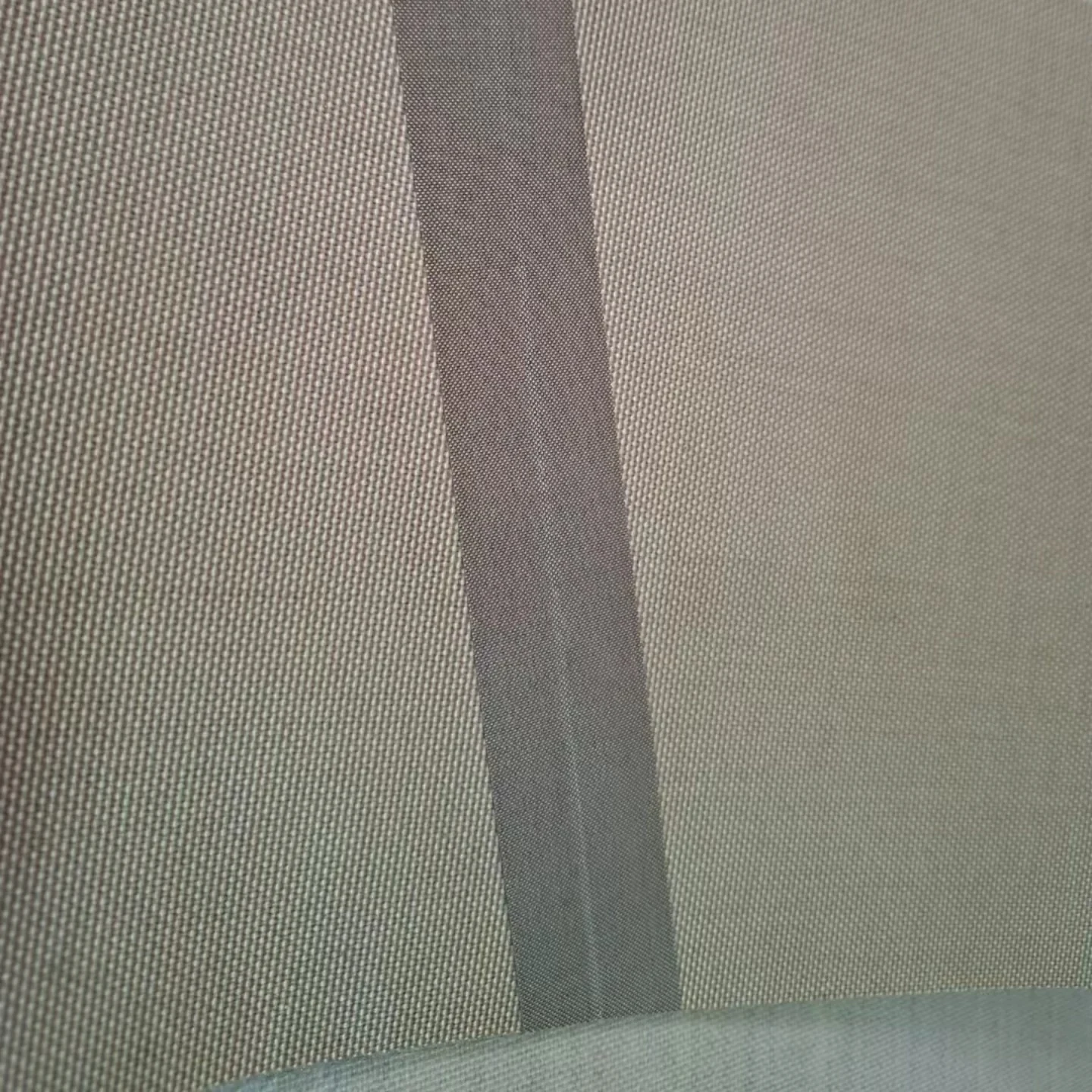
Surface combinationsSmooth / smooth, smooth / textured and textured / textured
Belt dimensionsCustom working width and circumference or open length
Fabrication detailsJoint, edge treatment, guide features and holes to equipment drawing

Select a specification

Standard Configurations

Select the thickness and face combination for the process. A composite option is identified separately from a lighter coated-fabric construction.

PTFE Solid Conveyor Belts standard options and supply formats
Reference SKUSpecificationSupply formatSupply routeInquiry
CPT-SB-030-BR0.30 mm; brown; smooth surfaceFinished belt to equipment dimensionsMade to orderQuote This Option
CPT-SB-035-BR0.35 mm; light brown; smooth surfaceFinished belt to equipment dimensionsMade to orderQuote This Option
CPT-SB-040-BR0.40 mm; dark brown; smooth surfaceFinished belt to equipment dimensionsMade to orderQuote This Option
CPT-SB-055-WH0.55 mm; white; smooth / smoothFinished belt to equipment dimensionsMade to orderQuote This Option
CPT-SB-055-OW0.55 mm; off-white; textured / texturedFinished belt to equipment dimensionsMade to orderQuote This Option
CPT-SB-065-WH0.65 mm; white; smooth / texturedFinished belt to equipment dimensionsMade to orderQuote This Option
CPT-SB-075-OW0.75 mm; off-white; textured / texturedFinished belt to equipment dimensionsMade to orderQuote This Option
CPT-SB-080-WH0.80 mm; white; smooth / smoothFinished belt to equipment dimensionsMade to orderQuote This Option
CPT-SB-100-WH1.00 mm; white; smooth / texturedFinished belt to equipment dimensionsMade to orderQuote This Option
CPT-SB-100-BK1.00 mm; black; composite constructionFinished belt to equipment dimensionsMade to orderQuote This Option
CPT-SB-150-BK1.50 mm; black; composite constructionFinished belt to equipment dimensionsMade to orderQuote This Option
CPT-SB-150-WH1.50 mm; white; composite constructionFinished belt to equipment dimensionsMade to orderQuote This Option

References identify construction options rather than interchangeable finished belts. Width, running length, joint and tracking details are set for the equipment; thicker composite options are not assumed to be seamless.

Need a different specification? Send your dimensions

Continuous support for a changing product

A solid belt supports the entire underside of the product. It is useful when soft material deforms during heating, when powders or fine pieces must remain on the carrier, or when the process needs a continuous release face.

Dense construction changes the airflow path. Air moves across the product rather than freely through the belt, so a solid replacement is a process choice as well as a mechanical one. Use open mesh when through-air exposure is essential.

Specify both sides of the belt

The product face governs release and the mark left on the workpiece. The roller face governs contact with the drive and support rollers. Smooth and textured faces should be oriented deliberately rather than treated as interchangeable.

Composite belts add layers and can have a different flexing behavior from single-fabric belts of a similar thickness. Choose the construction around the smallest roller, loading, tension and seam path. Thickness alone is not a complete replacement specification.

Equipment & process duties

Applications

Release conveying

Transport sticky or soft materials on a continuous PTFE contact face.

Thermal process lines

Carry material through compatible drying, pressing or curing equipment with full underside support.

Packaging equipment

Fit a solid belt to a defined carrying path where the finished seam and tracking details are critical.

Direct answers

Common Questions

Can a solid belt replace an open mesh belt?

Only when the process permits a continuous carrier. A solid belt changes ventilation beneath the product and may change drying behavior. Match both the process and the machine before replacing mesh.

Is a 1.5 mm composite belt necessarily seamless?

No. Composite describes the layered construction. Seamless describes how the loop is made. Specify the construction and joint separately; our seamless fusing belt range covers the distinct jointless option.

Which surface should contact the product?

Choose the working face for the required release and surface mark, then identify it on the belt drawing. The opposite face must suit the conveyor rollers and drive arrangement.

Specify your requirement

Quote PTFE Solid Conveyor Belts

Provide working width, installed circumference, thickness, product-face and roller-face finishes, color and joint. Include roller diameter, load, speed and tracking details.

Send Your Requirement