Fabricated Mesh & Accessories

PTFE Mesh Belt Repair Accessories

Joint material and stitching supplies for PTFE mesh belt assembly and localized repairs. Choose the accessory against the installed mesh and splice so the repair passes through the conveyor without creating an oversized joint.

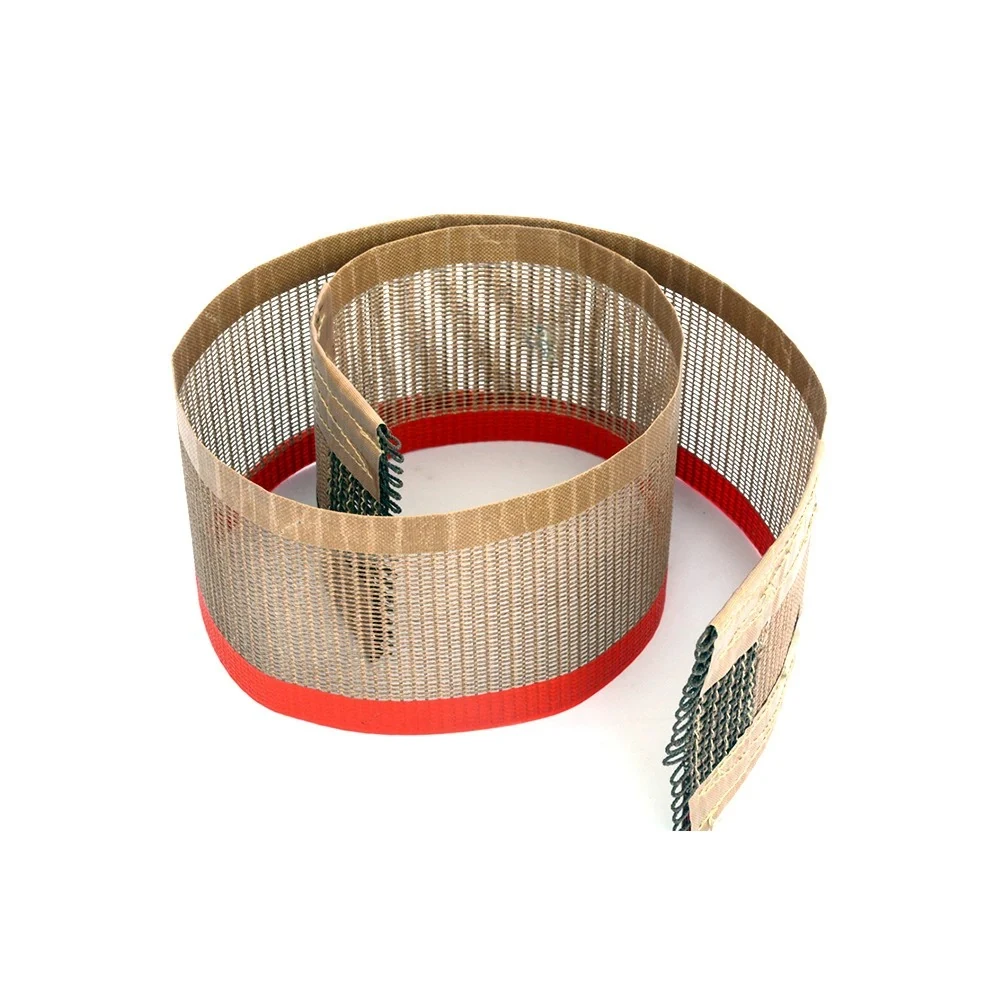
  • Bullnose-style mesh joint material
  • Joint strip example: 170 mm × 1 m
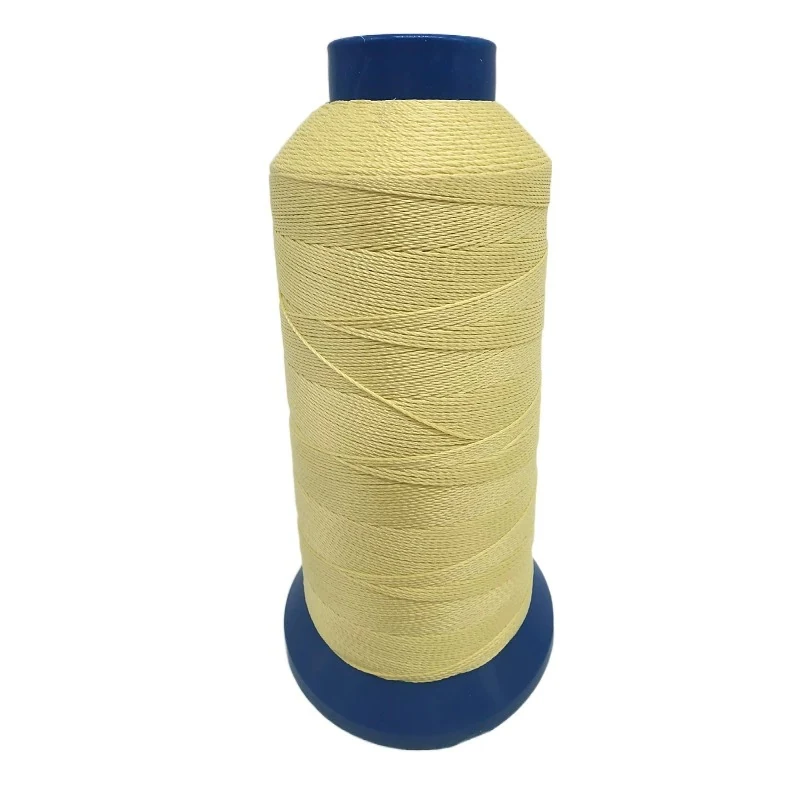
  • Stitching supply lengths of 50, 100 and 800 m
Coiled PTFE mesh belt joint material with reinforced ends
Mesh joint material

Material & configuration

Product Specifications

Choose the construction and dimensions for the equipment and the material it handles.

PTFE Mesh Belt Repair Accessories specifications
Accessory typesBullnose-style joint material and repair stitching supplies
Joint strip example170 mm × 1 m
Stitching lengths50, 100 and 800 m supply options
Fit parametersBelt width, mesh aperture, joint pitch and belt thickness
InstallationMatch the pin, stitching path and orientation to the splice
Material selectionThread construction selected for heat, flexing and joint duty

Select a specification

Standard Specifications & Stock Inquiry

Joint material and repair thread have separate purchasing units. Match the joint geometry and thread construction to the existing belt before selecting an accessory.

PTFE Mesh Belt Repair Accessories standard options and supply formats
Reference SKUSpecificationSupply formatSupply routeInquiry
CPT-JOINT-170-1000Brown bullnose-style mesh joint material; 170 mm × 1 mPer joint stripStock inquiryCheck Stock & Quote
CPT-THREAD-50Yellow repair stitching supply; 50 mPer spoolStock inquiryCheck Stock & Quote
CPT-THREAD-100Yellow repair stitching supply; 100 mPer spoolStock inquiryCheck Stock & Quote
CPT-THREAD-800Yellow repair stitching supply; 800 mPer spoolStock inquiryCheck Stock & Quote

The joint strip size describes supplied material, not universal belt compatibility. Include splice photos for the joint and specify thread construction for the operating conditions.

Need a different specification? Send your dimensions

Repair the joint as a moving assembly

A mesh belt splice flexes over rollers on every circuit. Replacement joint material needs to follow that motion while keeping the two belt ends aligned. Match loop pitch, pin clearance and stitched attachment to the original construction.

The thickness of the completed repair determines how it clears guides and supports. Keep the joint square to the belt travel and check it across the full working width rather than treating a narrow sample as the finished splice.
Inspect the belt before repairing it

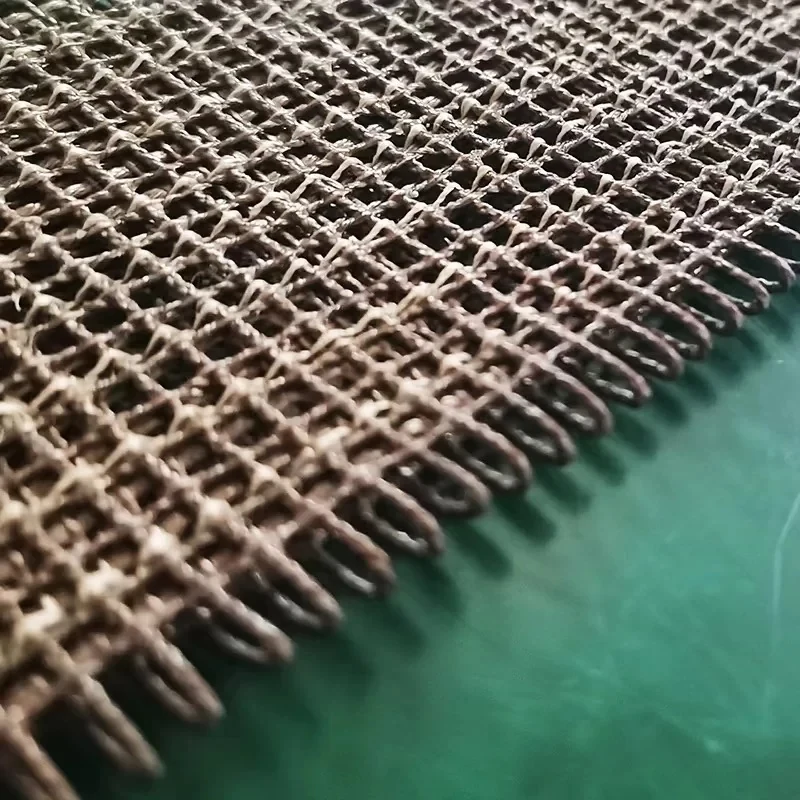
Repair makes sense when damage is local and the surrounding mesh remains sound. Widespread broken yarns, brittle areas or coating loss require a replacement-belt assessment because stitching into weakened material does not restore the carrier.

Thread color does not identify its chemical composition. Select the stitching material by the operating temperature, chemical exposure, needle path and repeated flexing. A spool described for belt repair should not be assumed to be pure PTFE or aramid without its construction being identified.

Equipment & process duties

Applications

Splice replacement

Fit compatible bullnose joint material to the belt width and existing joint arrangement.

Localized mesh repair

Stitch sound surrounding mesh where a small damaged area can be repaired without changing the belt path.

Fabricated mesh assemblies

Select stitching supplies for edges and joints that need repeated flexing in service.

Direct answers

Common Questions

Is the yellow repair thread necessarily pure PTFE?

No. Color and intended use do not establish composition. Choose an identified thread construction for the operating temperature, chemical exposure and splice duty.

Can any bullnose joint fit any mesh belt?

No. Match the joint pitch, pin clearance, attachment path and finished thickness to the belt. The repaired splice also needs to clear the smallest roller and all guides.

When should the whole belt be replaced?

Replace or reassess the belt when damage extends beyond a local area, yarns are broadly broken, or the coating and carrier have deteriorated. A repair relies on sound material around the joint.

Specify your requirement

Quote PTFE Mesh Belt Repair Accessories

Send close-up photos of the existing splice, belt width and mesh opening. Include joint pitch, pin diameter, damaged area, roller diameter and operating conditions.

Send Your Requirement